
Featured
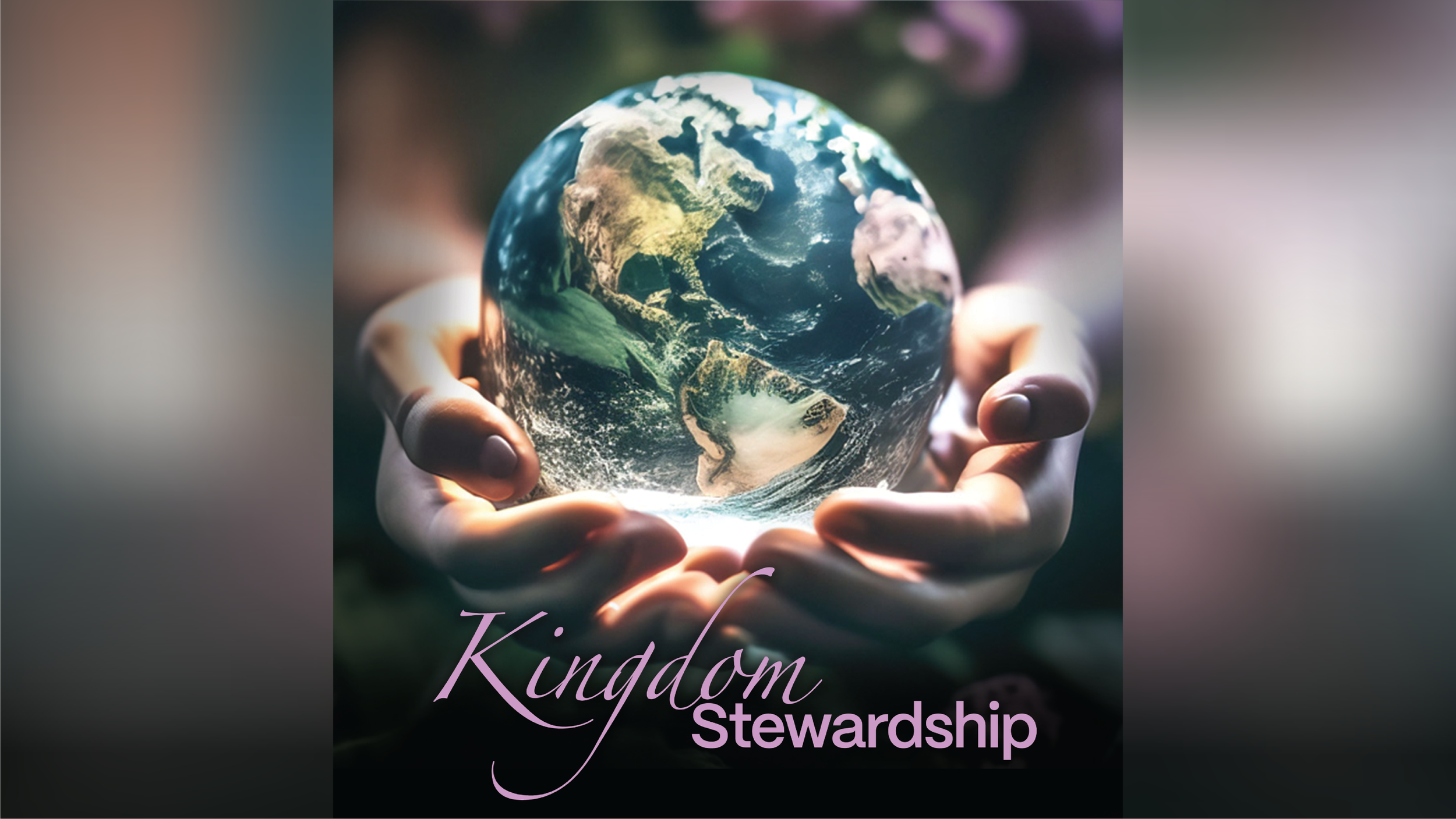



This sermon explores the concept of kingdom stewardship, using the vivid illustration of a college student house-sitting in luxurious homes to show the difference between being an owner and being a steward.
This sermon explores the concept of kingdom stewardship, using the vivid illustration of a college student house-sitting in luxurious homes to show the difference between being an owner and being a steward.
In this sermon for World Communion Sunday, Pastor Raigan reflects on the profound image from Psalm 23 of God preparing a table in the presence of our enemies.
Using the story of two disciples on the road to Emmaus (Luke 24), Pastor Raigan illustrates how Jesus himself walked alongside confused followers, opened the Scriptures, and revealed Himself as the treasure hidden within every page.
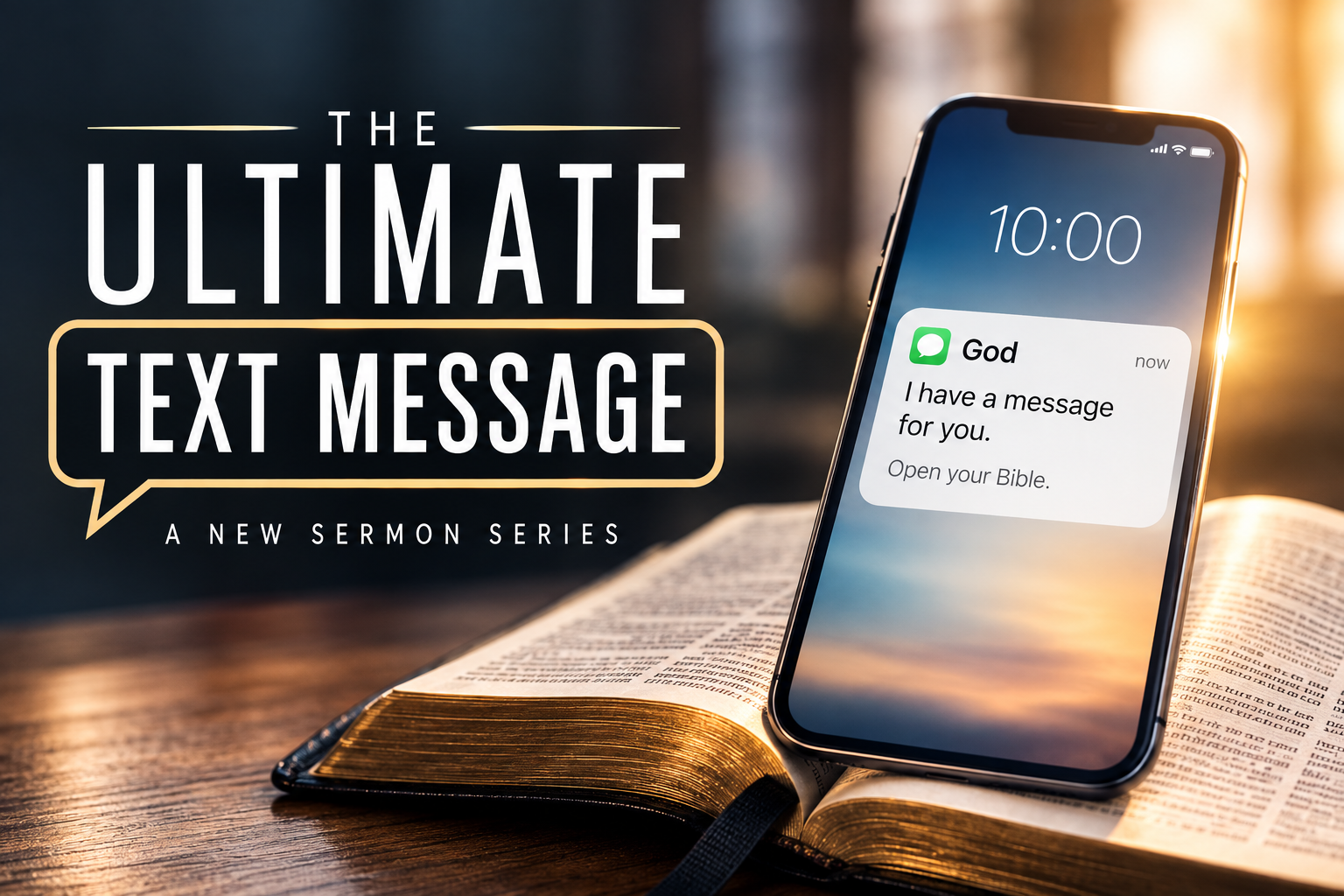
This sermon, the second in a series called "The Ultimate Text Message," draws from Deuteronomy 6 and the ancient Jewish prayer known as the Shema to explore how faith is formed and passed from one generation to the next.
Just as we have been conditioned to respond instantly to a text message ding, Pastor Raigan challenges us to consider what it would look like to be equally attentive and responsive to Scripture.
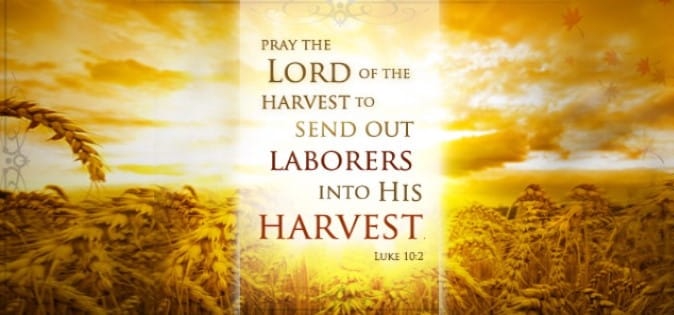
In this sermon drawn from Luke 10, Pastor Lori invites the congregation to hear God's call on their lives as laborers in a plentiful harvest.
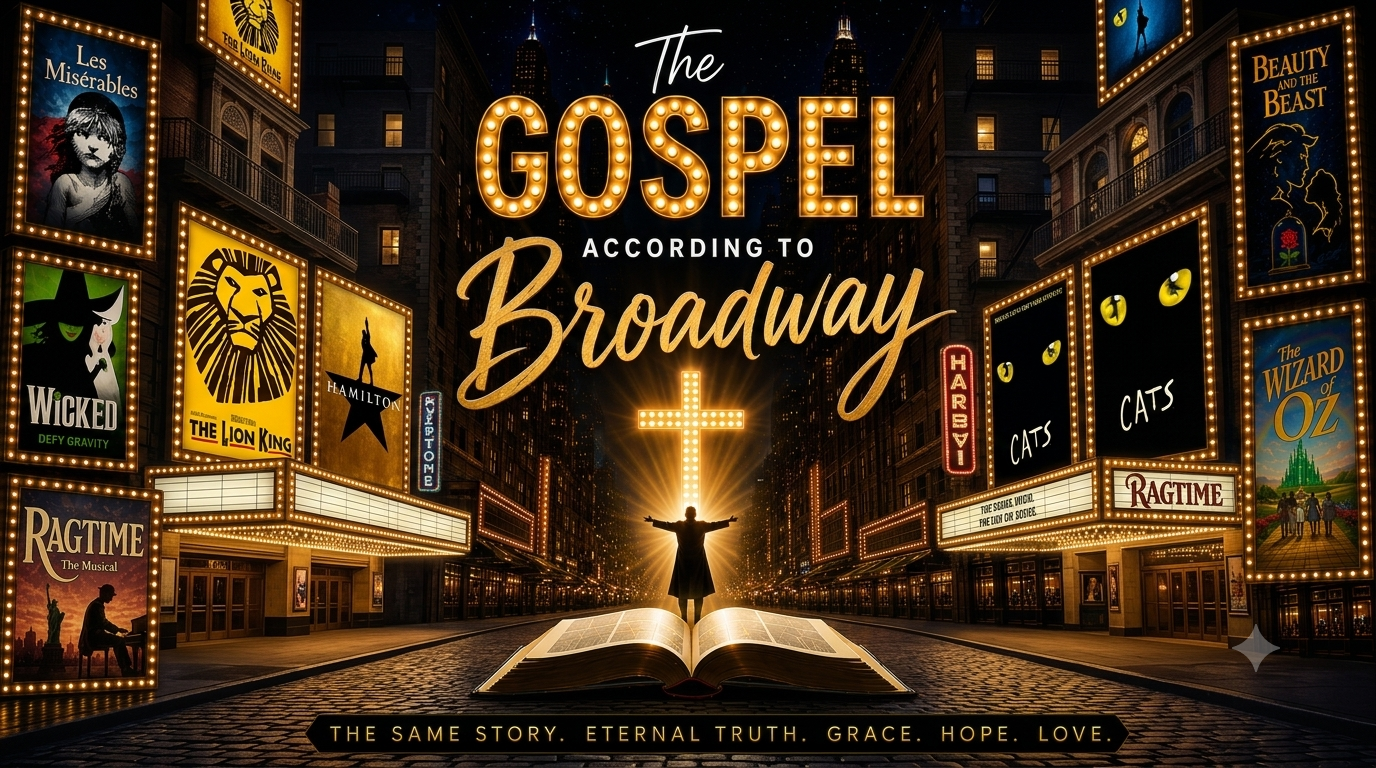
This sermon, the final installment in a series called "The Gospel According to Broadway," uses the beloved musical Les Miserables as a lens to explore the core themes of the gospel: mercy, grace, identity, and redemption.
This sermon uses the musical Ragtime as a lens to explore one of the deepest longings of the human heart: the dream that this broken world can become something more.
This sermon explores the story of Beauty and the Beast as a lens through which to examine the human condition and the transforming power of God's grace.
In this opening sermon of the series "The Gospel According to Broadway," Pastor Raigan uses the beloved story of "The Wizard of Oz" to illuminate what it truly means to follow Jesus.
In this concluding sermon from the Book of Jonah, Pastor Raigan uses the musical concepts of consonance and dissonance to explore how Jonah's heart responded to God's grace being extended to his enemies, the Ninevites.
This sermon, drawn from Jonah chapter 3, centers on the God of second chances. Pastor Raigan uses the image of a pencil with an eraser to illustrate that mistakes are part of being human, but they do not have to be permanent.
This sermon continues a journey through the Book of Jonah, focusing on chapter two, where Jonah prays from inside the belly of a great fish.
Using the analogy of a GPS that keeps recalculating no matter how many wrong turns we take, Pastor Raigan shows that God never gives up on us, even when we deliberately run in the opposite direction.
This Father's Day sermon draws from Colossians 2 to address the deep human longing for wholeness, acceptance, and belonging. Pastor Brandon acknowledges that Father's Day carries different emotions for different people and reminds the congregation that our faith is ultimately rooted in the perfect love of our Heavenly Father.
In this sermon, Pastor Haven reflects on the story of Peter and John healing a man at the temple gate, drawing a powerful connection between physical healing and the deeper healing of belonging and inclusion.
This sermon explores John Wesley's spiritual journey before His famous Aldersgate experience, drawing a parallel between Wesley's exhausting pursuit of holiness and the image of a hamster running endlessly on a wheel.
This sermon, part of a series called 'Roots,' explores the Methodist movement's deep connection to the Trinity and the pursuit of holiness.
This sermon explores the Methodist movement and the Great Awakening, examining what transforms religious individuals into a movement and the precursors to revival.
This sermon explores the theme of waiting as a season of spiritual formation, drawing parallels between John Wesley's early years of preparation and the disciples' waiting period between Jesus' ascension and Pentecost.
This Mother's Day sermon explores the profound influence of Susanna Wesley, known as the Mother of Methodism, on the origins of the Methodist movement.
This sermon focuses on the concept of transformation as described in Romans 12, using the Greek word 'metamorpho' to explain how Christians are called to be transformed from the inside out.
This sermon explores the importance of recognizing and following the voice of Jesus Christ as our Good Shepherd.
This sermon explores the concept of eternal life as something that begins now, not just after death.
This Easter sermon centers on the resurrection of Jesus Christ as the defining moment in human history and the central tenet of Christian faith.
This Palm Sunday sermon explores the political context of Jesus' triumphal entry into Jerusalem, contrasting it with the Roman governor Pontius Pilate's parade of power.
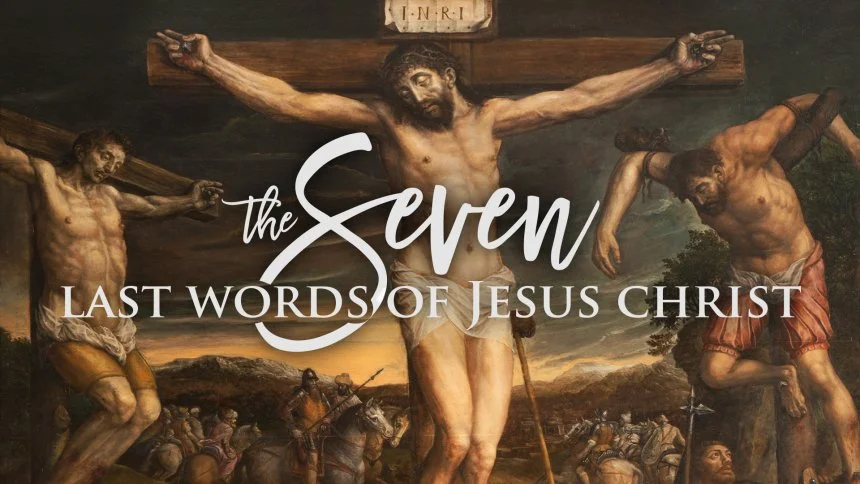
This sermon explores the final two statements of Jesus from the cross: "It is finished" and "Into your hands I commit my spirit."
This sermon explores Jesus' fifth statement from the cross, "I thirst," revealing both His full humanity and the deeper spiritual meaning of His suffering.